Public Hearings on the Issyk-Kul Strategy
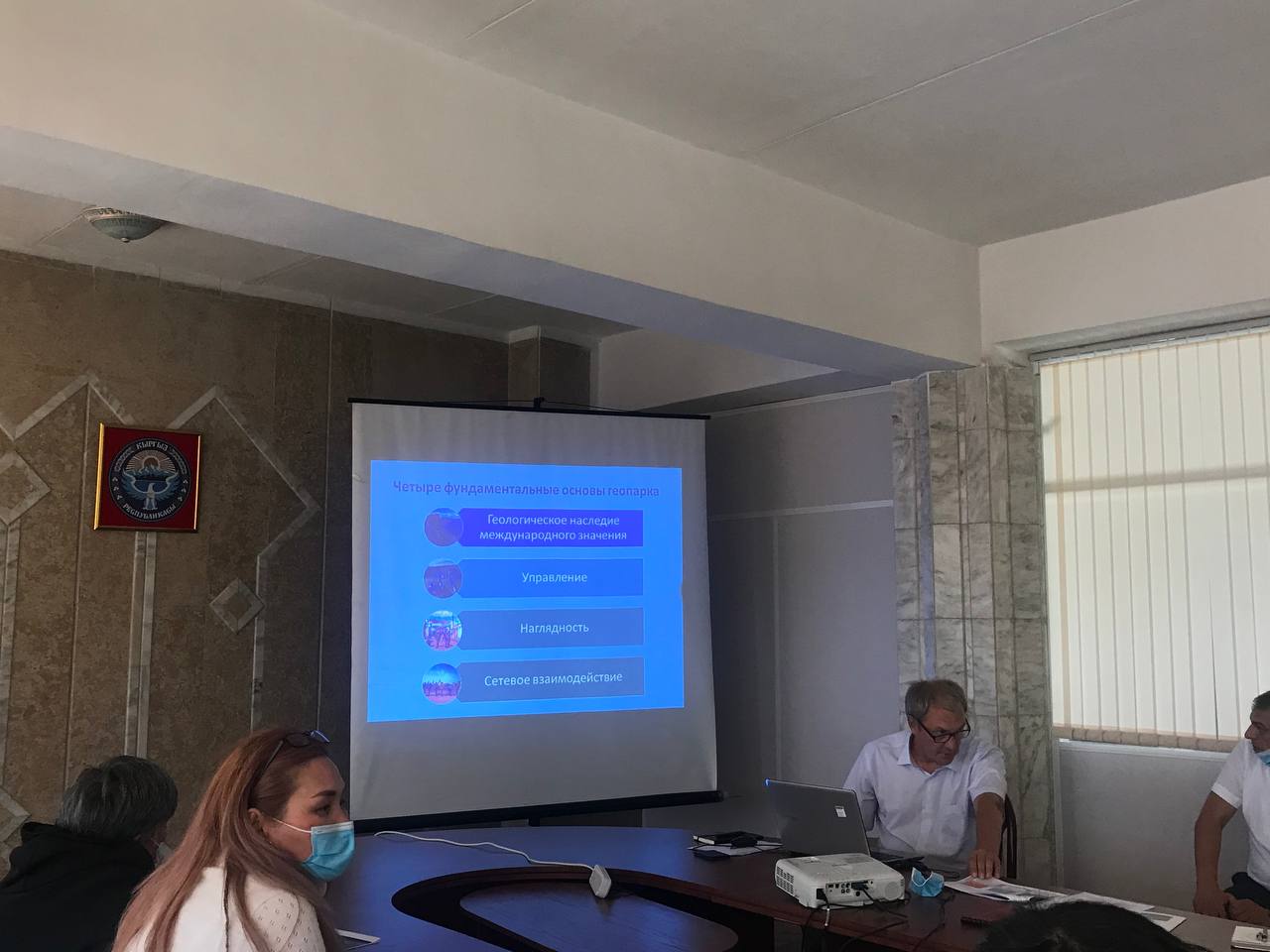
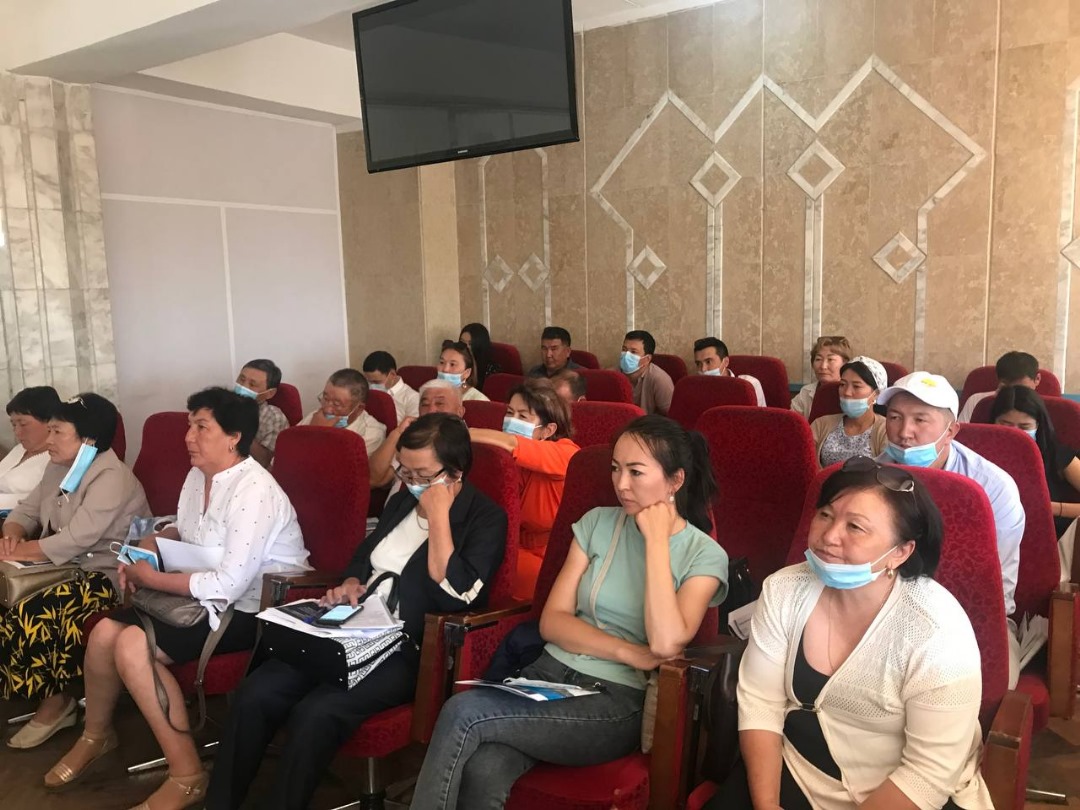
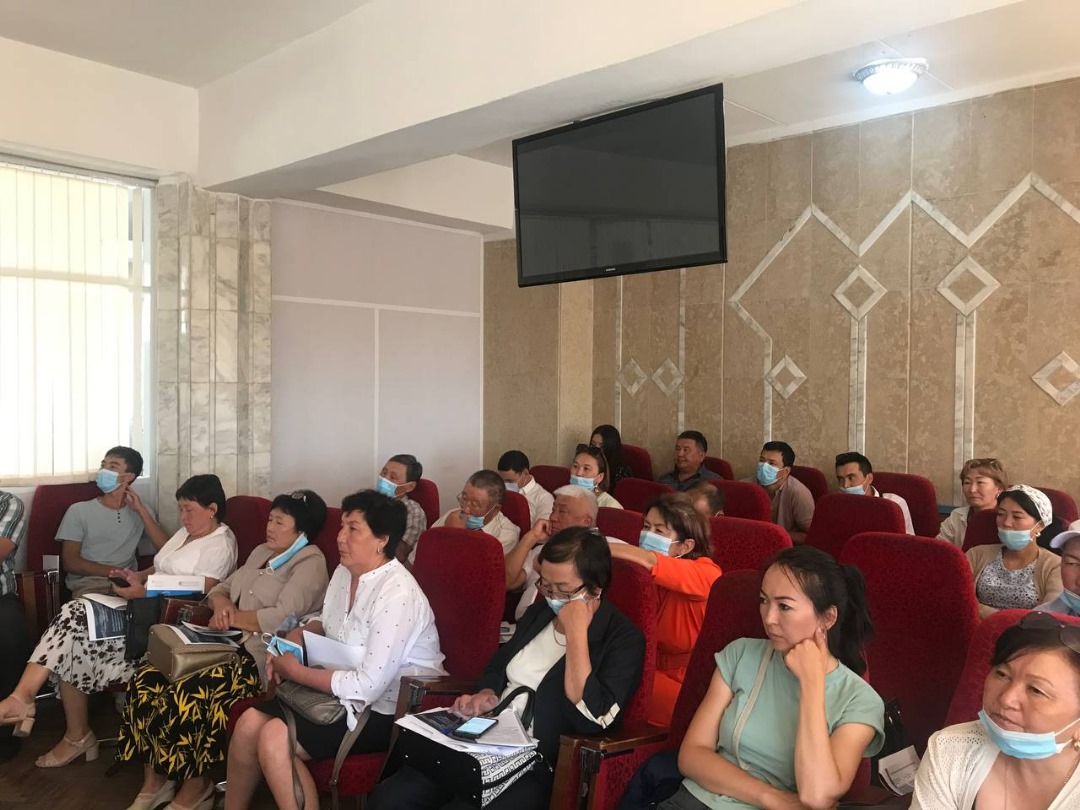
On July 14-15, 2022, the first public hearings took place in the city of Karakol and in the Ak-Suu and Tyup districts of the Issyk-Kul region. These hearings were attended by representatives from the World Bank Projects Implementation Unit of the Ministry of Transport and Communications of the Kyrgyz Republic, United Group LLC, and a local expert in the field of geopark development. During the meetings, practical steps for the development of the Sustainable Tourism Strategy and Master Plan, as well as the concept of geoparks in the Ak-Suu and Tyup districts, were discussed.
"The Тhird phase of the Central Asia regional links program" funded by the World Bank, includes several components:
1. Rehabilitation of the Tyup-Kegen road.
2. Enhancing aviation capacity in the Kyrgyz Republic.
3. Supporting sustainable tourism development in the Issyk-Kul region.
One of the key components is the sustainable tourism development in the Issyk-Kul region, which includes:
• Development of a Sustainable Tourism Strategy and Master Plan.
• Creation of two local development plans for the Ak-Suu and Tyup districts (including the concept of geoparks) and conducting a Strategic Environmental and Social Assessment (SESA).
Project Goals
The main goal of developing the Sustainable Tourism Strategy for the Issyk-Kul region is to support and create a long-term regional development plan for the region and local development plans.
The project aims to:
• Address key environmental and social issues.
• Incorporate best global practices and trends in the tourism sector.
• Identify opportunities for creating competitive tourism products.
• Engage local communities, as well as private and public stakeholders.
As part of the project, two geopark development plans for the Ak-Suu and Tyup districts will be developed, in line with UNESCO guidelines.
Development of the Sustainable Tourism Strategy
The Sustainable Tourism Strategy brings together the efforts of the government and business to create products and services with new characteristics.
It is essential for:
• Coordinating the actions of all participants in the process: government bodies, the public, professional communities, and partners.
• Defining tasks, methods for their execution, forecasting expected results, and analyzing potential problems.
The final result will be a document that will serve as a roadmap for sustainable tourism development in the Issyk-Kul region for the next eight years.
Geoparks as a Development Tool
A geopark is a territory that combines natural and historical-cultural sites, promoting tourism types such as agrotourism, ecotourism, gastronomic tourism, and more.
Creating geoparks will:
• Involve new natural and historical sites in tourism development.
• Engage local residents, farmers, and craftsmen in tourism activities.
• Enhance the quality of tourism products through UNESCO standards.
• Create opportunities for launching social projects aimed at improving the quality of life of local populations.
Strategic Environmental and Social Assessment (SESA)
The main goal of the SESA is to determine the social and environmental impacts related to infrastructure and tourism development in the Issyk-Kul region.
Tasks:
• Assess the scope of impacts.
• Develop recommendations for preventing and minimizing negative effects.
• Integrate the recommendations into the overall Sustainable Development Strategy.
• Conduct surveys among local communities and tourists to assess satisfaction with tourism.
The results of the assessment will:
• Improve the effectiveness of stakeholder engagement.
• Strengthen public trust in the decision-making process.
• Enhance the productivity of strategic planning.